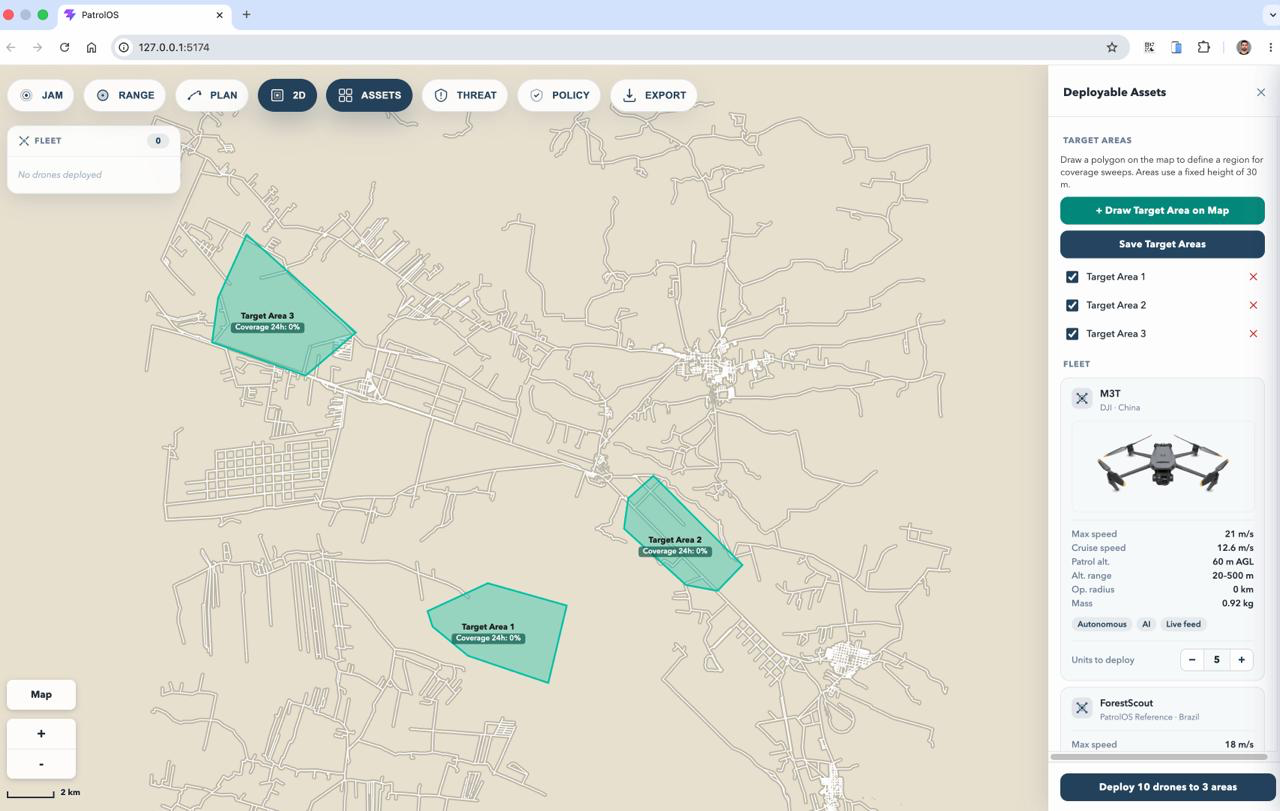
The sensors are there
Sites already own radars, RF detectors, cameras and response drones. This is the physical layer of a counter-drone system.
PatrolOS
Counter-UAS planning for critical sites.
patrolos.io
Unpredictable patrol and response plans that close gaps in counter-drone coverage before an attack can exploit them.
The 2019 Abqaiq strike cut half of Saudi oil output overnight. Refineries have been under continuous threat since.
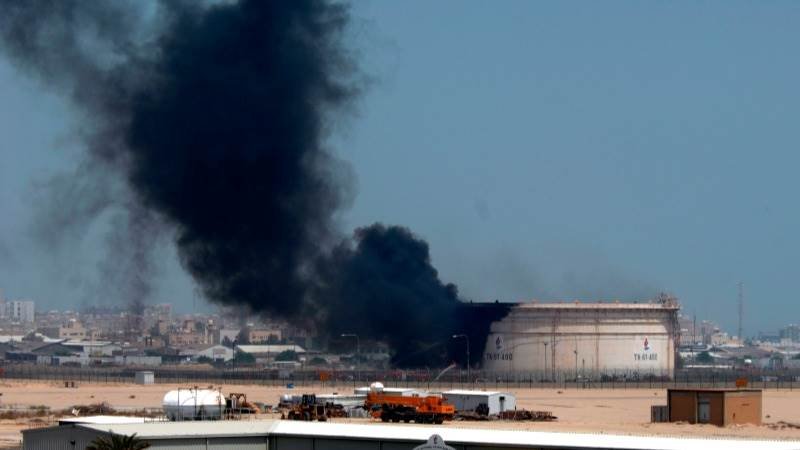
UAS strikes shut down port operations and supply chains. Offline in hours due to low-cost weapons.
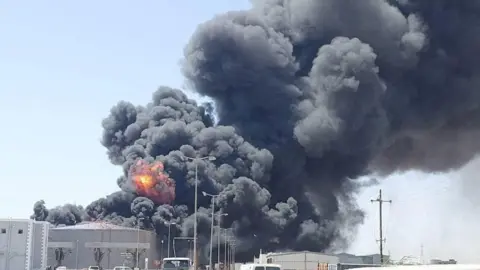
Major refinery struck alongside concurrent UAS threats targeting critical AI data-centers.

Counter-drone assets are placed once and rarely moved. An adversary only has to watch.
Sites already own radars, RF detectors, cameras and response drones. This is the physical layer of a counter-drone system.
Those assets are positioned and scheduled in a way an observer can learn. These patterns repeat on a knowable cycle.
A known gap, at a known time, is an invitation. Given enough observation time, any static schedule can be exploited.
Sensors, response drones, teams, terrain, no-fly zones and rules of engagement.
Assets positioned and scheduled with deliberate variation. No sector predictably open at a knowable time.
When a track appears, PatrolOS assigns response and repositions the rest. No new gap opens. Every decision logged.
Power plants, refineries and pipelines under record attack levels. CIP-014 now mandates demonstrable airspace risk management.

AI-era hyperscale campuses have high-value, fixed, observable perimeters facing rapidly rising adversarial attention.

Probed and disrupted by drone incursions across Europe since 2025. The budget exists, but the plan does not.
Global perimeter security, 2025–2030, growing 10.1% per year.
Mordor Intelligence, 2025
~40,000 high-criticality sites in North America and Europe at ~$120k average annual license.
165 sites. <0.5% of SAM. Recurring licenses of $90k–$250k per site per year.
Management plan
Spend flows to radars, RF sensors, jammers and interceptors. Software planning is a thin line item.
Existing C2 platforms are built for government defense programs at government contract prices. Refineries, ports, airports and data centers have no purpose-built planning tool. The gap is commercial and structural.
Exact prices shared in conversation. These are indicative ranges, not commitments.
Two years of runway for a small senior team to build the planning engine, integrate with real sensors and effectors, and run pilots at live sites.
A working product integrated with common counter-drone hardware, 2–3 paid pilots, and a measured reduction in predictable coverage gaps. This is the evidence a Series A needs.
Planning engine, re-tasking console and coverage analytics. The core IP of PatrolOS.
API work to connect with common counter-drone hardware already deployed at pilot sites.
Site access, data collection, travel and trial support for 2–3 paid customer pilots.
Entity, IP filings, security compliance, infrastructure and administrative overhead.
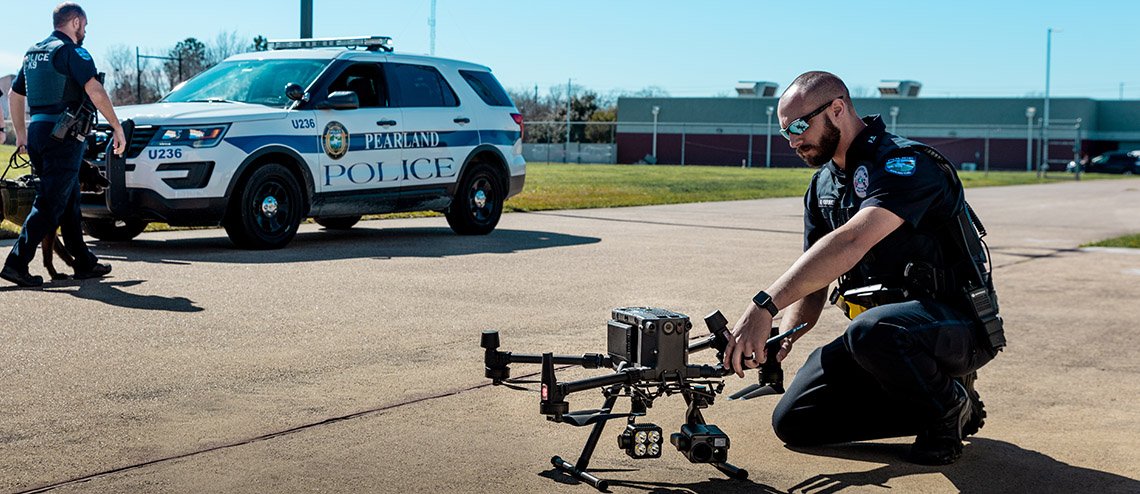
Patrol allocation for campuses, stadiums and public spaces. The core scheduling problem is identical to counter-drone.
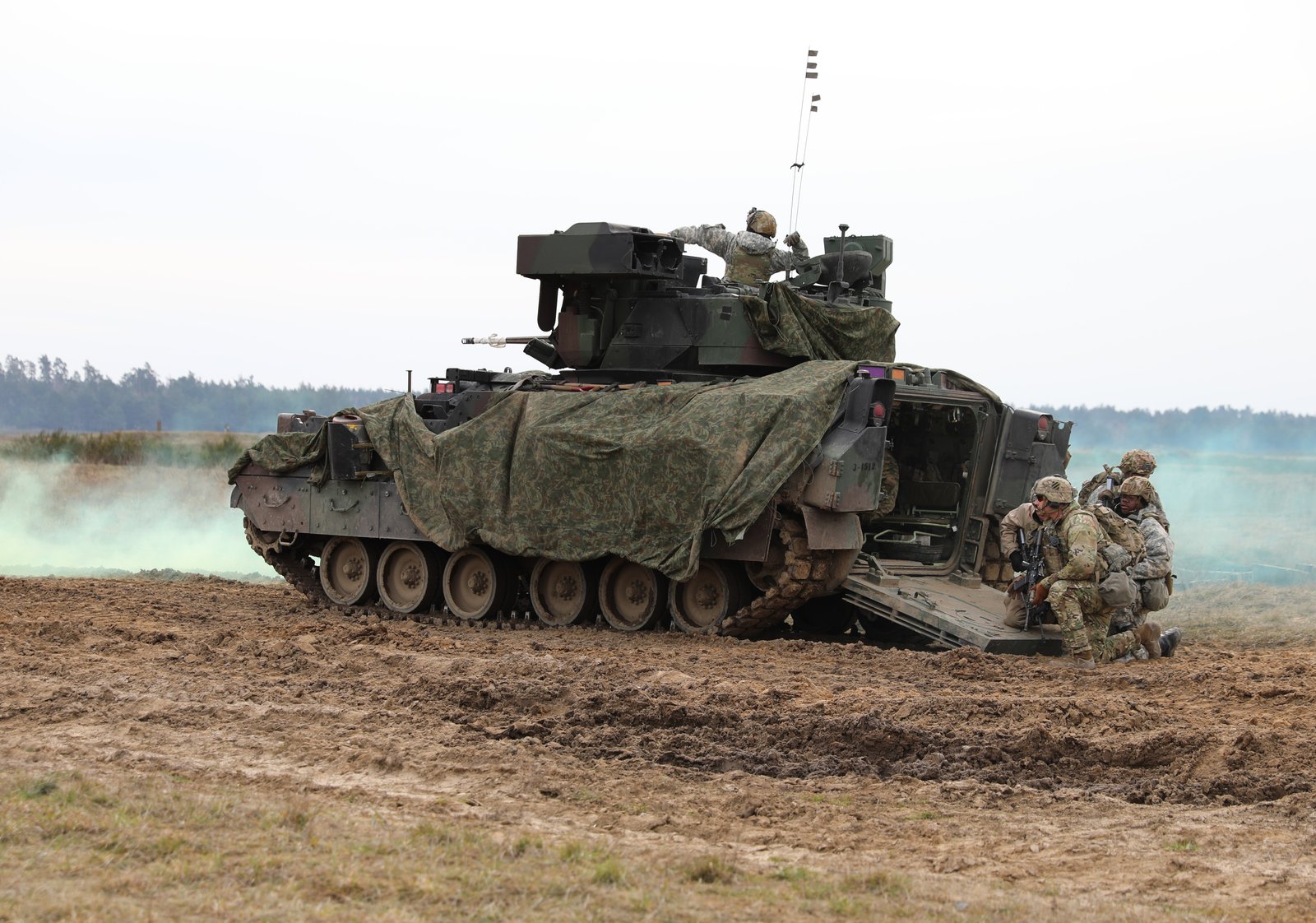
Perimeter planning for fixed installations and deployed or moving units. FOBs, convoy corridors, rapidly established perimeters where unpredictability is a tactical requirement.
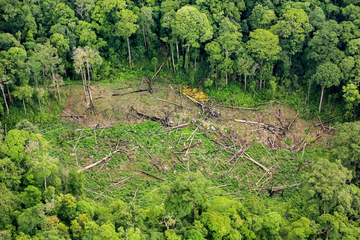
Illegal logging detection and habitat monitoring across large, varied terrain. Adaptive scheduling with limited autonomous assets and mixed sensor types.
Additional verticals include maritime port security, critical infrastructure perimeter monitoring, and large-scale event security.